

5 Supplements that could help boost your fertility
February is Reproductive Health Month, and if you are planning to have a baby, these are nutrients to consider when choosing and preparing food or supplements.
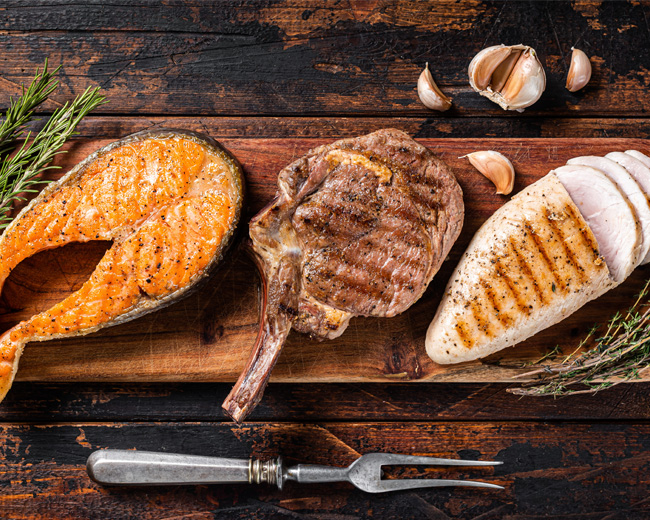
If you’re trying to conceive, the most important supplement to take now and throughout pregnancy is 400 to 1 000 micrograms of folic acid – your health provider will usually prescribe it for you, says registered dietitian Faaizah Laher, a Joburg-based spokesperson for the Association for Dietetics in SA.
Other nutrients you need at this time are best obtained through a healthy, balanced diet of vegetables and fruit, whole grains, legumes, protein and healthy fats. If you are unable to eat these, or have problems with digestion or absorption, speak to your health provider.
“A visit to your dietitian can help you optimise your prenatal eating patterns, and assist you to get your body at the best health to conceive and carry a healthy pregnancy to term," says Laher.
They can check if you have a deficiency and advise you on supplements to help, and the quantities for your specific needs. Don’t self-medicate – some supplements are not advisable in pregnancy or could interact with medications you may be on.
“When even considering having a baby, a general check is recommended,” Laher says. “This is when your doctor will recommend a supplement and have a look at current medications you are taking.”
These five may be helpful in promoting fertility:
Acetyl L-carnitine (ALC): This is an amino acid produced by your liver and kidneys. Oxidative stress has been associated with female infertility, and ALC has antioxidant effects that may help, and lessen symptoms of endometriosis and polycystic ovarian syndrome, which can negatively affect fertility. A study review concluded that “beneficial effects show great promise in (ALC’s) application as a treatment option for women facing infertility disorders”. It may also improve sperm motility for men and “benefit male infertility” according to a study analysis on Reproduction and Fertility.
Dietary sources: animal-based foods such as beef, chicken, milk and cheese.
If you supplement ALC (always check with your health provider): 1 000 to 3 000 milligrams daily for women and men.
Vitamins B6 and 12: These may help improve egg health. Having high levels of homocysteine in the follicles has been associated with ovulation problems, while low levels may improve the chances of getting pregnant. In a Maternal and Child Nutrition study of women who had experienced pregnancy loss, those taking supplementary folate and vitamins B6 and 12 were found to reduce levels of homocysteine.
Dietary sources: meat, poultry and fish.
If you supplement: B12 – 1 000 micrograms once a week for men and women; B6 – 1.2 micrograms for women daily, 1.4 mg for men.
Coenzyme Q10 (CoQ10): This is a powerful antioxidant, and in some studies, higher levels of CoQ10 in follicles has been associated with better quality eggs and a higher rate of pregnancy in IVF patients. A 2020 study in the Journal of Assisted Reproduction and Genetics found oral supplementation of CoQ10 may increase pregnancy in women undergoing assisted reproductive technology, but “without an effect on live birth or miscarriage rates”. Some studies also suggest men with higher levels in of CoQ10 in their semen have better semen quality, quantity and motility (movement), but more studies are needed.
Dietary sources: oily fish (salmon, sardines), organ meats (liver) and whole grains.
If you supplement: 100-600 milligrams a day for men and women.
Selenium (Se): This is an essential mineral with antioxidant properties. An study analysis concluded that it’s essential for “optimal reproduction in females”, presumably because of its implication in the “regulation and modulation of antioxidant balance”.
It’s known that low selenium in men can lead to lowered sperm quality and motility. A study review noted that “ the findings of a handful of clinical trials … support the implication of Se supplementation in ameliorating the reproductive insufficiency in men”, but that more studies were needed.
Dietary sources: seafood, organ meats and Brazil nuts, though most people obtain it through everyday staples such as cereals, bread, poultry, red meat and eggs.
If you supplement: 55 micrograms a day for women and men.
Zinc: This mineral is known to have a critical role in processes that regular egg cell growth, fertility and pregnancy. According to studies, “The evidence … highlights the necessity of zinc for normal fertility and pregnancy outcomes, which suggests zinc supplementation should be considered for reproductive age women at risk of zinc deficiency".
Dietary sources: meat, fish and seafood.
If you supplement: 8 milligrams a day for women, 11 milligrams a day for men.
IMAGE CREDIT: 123rf.com