

Dangers to watch for after delivery
With Pregnancy Awareness Week coming up in February, take note of these signs after delivery.
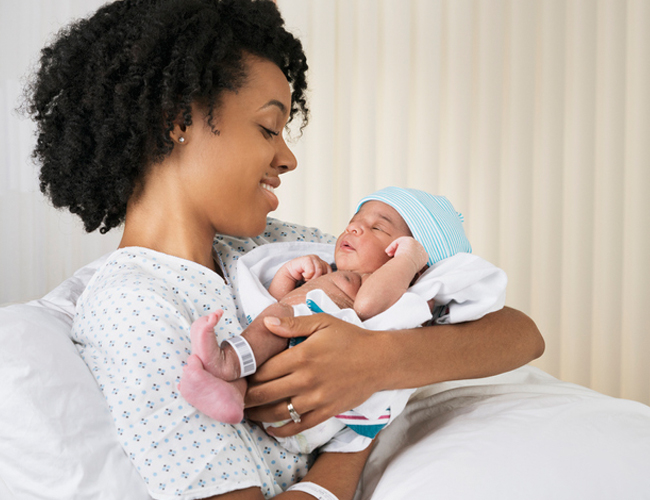
Post-natal complications are rare, but some can be life-threatening if you don’t get professional help fast. Know what to look for in the days and even weeks after your baby arrives – and keep the contact number of your obstetrician or midwife and ambulance service handy.
Sudden blood loss
It’s normal to bleed for about six weeks after delivery, whether this was vaginal or by Caesarian section. But if the blood flow becomes bright red and so heavy that you need to change pads every hour, or pass clots bigger than a R5 coin, and feel light-headed and exhausted, you may have a post-partum haemorrhage. This is mostly caused by your uterus not contracting as it should, and it can be life-threatening, says Pretoria gynaecologist and obstetrician Dr Elizabeth de Gouveia.
Call an ambulance.
Severe headache
A bad headache may just be the result of an epidural or spinal block, but if it develops in the first 72 hours after delivery, it can signal post-partum pre-eclampsia, which causes seizures. Suspect this if your headache is accompanied by blurred vision, vomiting, swelling of your hands, feet and face, and high blood pressure. This can happen even four weeks after delivery.
Call your health professional immediately.
Sudden chest or leg pain
If the pain is in your chest and you battle to breathe, or it’s in your thigh or calf, and this feels warm to the touch, you may have a blood clot. If this travels to your lungs, it could cause a heart attack, says De Gouveia.
Call an ambulance.
Inability to pee
If you experience this within six hours of delivery, you may have urine retention, possibly caused by local anaesthesia, an instrument delivery or an episiotomy. It can be extremely uncomfortable, and untreated can cause infection and damage your kidneys.
See your health professional.
Pain when you pee
This can indicate a bladder, urinary tract or kidney infection, especially if you also have pain in your lower back and need to pee often.
Consult your health professional.
Severe piles
Piles are common after birth, but sometimes they can become swollen and extremely painful or itchy, and crack and bleed. Over-the-counter salves and sprays and cold compresses may help, as may a high-fibre diet with lots of liquids. Although highly unpleasant, piles are seldom dangerous.
Talk to your health professional.
High fever
If you run a temperature of more than 38ËÂÂC, it indicates that your body is trying to fight off an infection. If you also have pain, redness or smelly discharge in the area of a Caesarian section, episiotomy or perineum tear, or severe abdominal pain, you may have sepsis, and can become seriously ill fast, De Gouveia says.
Call an ambulance.